



Drug-related driving offences can carry serious legal consequences because operating a vehicle while impaired may place drivers, passengers, pedestrians, and other road users at risk. These offences can involve driving after consuming illegal drugs, misusing prescription medication, or taking other substances that affect concentration, coordination, reaction time, or judgment. Depending on the jurisdiction, the law may prohibit driving while impaired, driving with specified controlled substances present in the body, or both. The precise rules can vary according to the substance involved, the driver’s circumstances, and the legislation governing road safety. Understanding these requirements helps motorists recognise their responsibilities and make informed decisions before getting behind the wheel.
Drug-related driving laws are intended to reduce preventable accidents and establish accountability when individuals operate vehicles in circumstances that compromise road safety. However, the legal approach is not identical everywhere, and different jurisdictions may apply different testing procedures, evidentiary standards, and penalties. Some laws distinguish between illegal substances and medication lawfully prescribed by a healthcare professional, while still prohibiting driving when medication causes impairment.
How Drugs and Certain Medications Can Affect Driving Ability
Different substances can influence driving performance in different ways, making it difficult to predict their effects without considering the individual circumstances. People researching drug driving offences to handle should understand that the legal consequences depend on the applicable laws and the circumstances of the alleged offence. Some drugs may slow reaction times, reduce attention, or interfere with coordination, while others can increase impulsive behaviour, alter perception, or affect judgment. Certain prescription medications, including some sedatives and strong pain medicines, may also cause drowsiness or reduced alertness. Combining substances can increase impairment and make the effects more difficult to anticipate. These changes may prevent a driver from responding appropriately to unexpected road conditions, traffic signals, or the actions of other motorists.
The effects of a substance may continue even after a person no longer feels its strongest effects. Factors such as dosage, frequency of use, individual metabolism, interactions with other medications, and the time elapsed since consumption can influence driving ability. For this reason, a person should not rely solely on how alert they feel when deciding whether it is safe to drive. Healthcare professionals can explain medication-related warnings and identify possible interactions, while pharmacists can provide guidance about common side effects and precautions. When a substance may affect driving, the safest option is to avoid operating a vehicle until it is safe and legally permissible to do so.
Potential Penalties and Long-Term Legal Consequences
The penalties for a drug-related driving offence depend on the applicable law, the nature of the alleged conduct, and the circumstances surrounding the incident. Possible consequences may include financial fines, licence suspension, driving disqualification, mandatory assessments, or imprisonment in more serious cases. Offences involving dangerous driving, repeated violations, injuries, or fatalities may attract more severe penalties. In some jurisdictions, refusing to comply with a lawful testing requirement can also lead to separate legal consequences. Because the rules differ between locations, individuals should avoid relying on general penalty estimates when assessing the risks associated with a specific charge.
The effects of a conviction may extend beyond the immediate court outcome. A driving-related offence can affect employment opportunities, professional responsibilities, insurance arrangements, and the ability to travel or carry out essential daily activities. Individuals whose work requires a valid driving licence may face particular difficulties if they lose their driving privileges. Depending on local law and the circumstances of the offence, a conviction may also appear on relevant criminal or driving records. Understanding these potential consequences is important when deciding how to respond to an allegation, and a qualified lawyer can explain the likely implications based on the specific facts and applicable legislation.
Drug Testing, Police Investigations, and Legal Rights
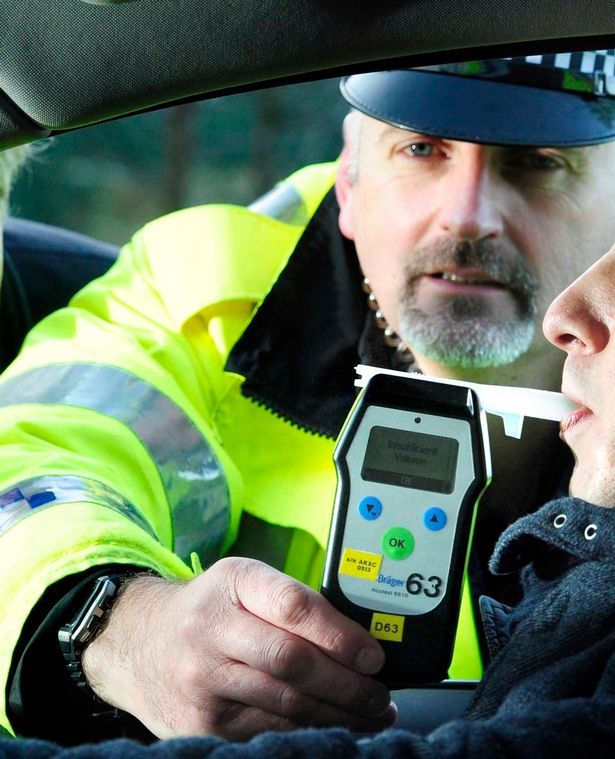
Drug-related driving investigations may involve roadside assessments, breath or saliva testing, blood or urine testing where authorised, police observations, and other forms of evidence. The procedures available to authorities depend on local law and may differ according to the suspected substance and the circumstances of the stop. Evidence may be examined to determine whether a driver was impaired, whether a prohibited substance was present, or whether the legal requirements for an offence have been met. A positive test result does not necessarily answer every legal question, because the significance of the result depends on the offence alleged and the evidentiary rules that apply. Understanding how testing works can help individuals appreciate the importance of accurate procedures and reliable evidence.
Anyone facing a drug-related driving allegation should understand their legal rights and responsibilities during the investigation. These may include protections relating to questioning, access to legal advice, the handling of evidence, and the procedures for challenging certain investigative actions. Individuals should remain calm, avoid obstructing lawful procedures, and seek clarification from a qualified lawyer when necessary. It is also important to preserve relevant documents, including prescriptions, medication instructions, testing records, and official notices, where applicable. A criminal defence lawyer can review the available information, identify potential legal issues, and explain the options available without promising a particular outcome.
Seeking Legal Advice and Preventing Future Driving Offences
Obtaining legal advice can be an important step when facing a drug-related driving charge, particularly if the allegation may lead to licence disqualification, substantial fines, or criminal proceedings. A lawyer can explain the specific offence, examine the evidence, assess whether relevant procedures were followed, and discuss possible defence strategies or other lawful options. They can also clarify court deadlines, explain the potential consequences of different decisions, and represent the individual during relevant proceedings. Providing an accurate account of events and sharing all relevant documents helps the lawyer assess the case more effectively. Early advice can also reduce the risk of overlooking important procedural requirements or making decisions without understanding their implications.
Preventing drug-related driving offences begins with recognising that safe driving requires full attention, coordination, and sound judgment. Drivers should avoid driving after using illegal substances and should carefully follow medical advice concerning medicines that may cause impairment. If a medication carries a warning about driving, individuals should consult a healthcare professional before operating a vehicle rather than assuming that a prescribed substance is automatically safe. Planning alternative transport, arranging a lift with a sober driver, or using a taxi can help prevent dangerous situations when impairment is possible. By understanding the relevant laws, seeking reliable advice, and making responsible transport decisions, motorists can protect their legal interests while contributing to safer roads for everyone.


