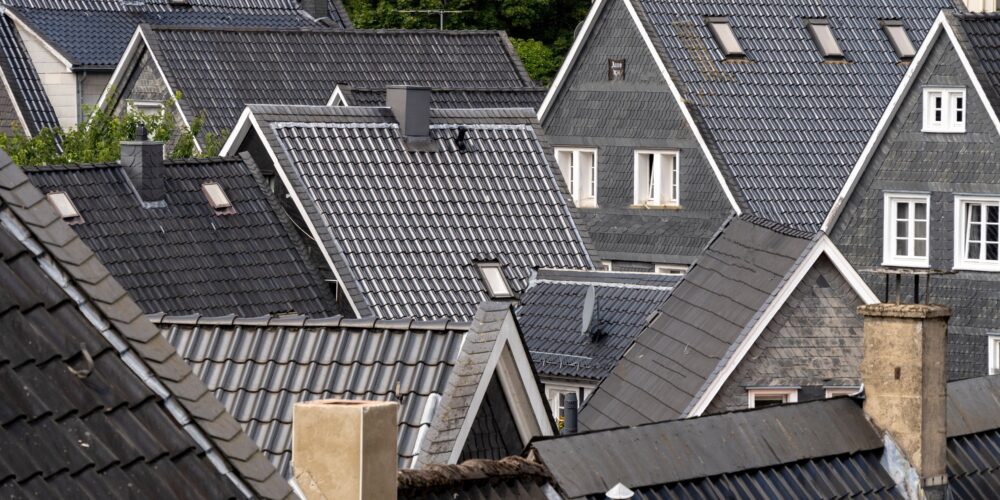



When it comes to roofing, few materials evoke the charm and elegance of traditional slate. With its rich history and stunning aesthetics, slate roofing has graced homes for centuries, standing as a testament to durability and style. This timeless material not only offers exceptional longevity but also enhances the overall appeal of any property.
However, owning a slate roof comes with responsibilities. Proper maintenance is key to preserving its beauty and functionality over time. Understanding how to care for your slate roof can save you from costly repairs down the line while ensuring it remains an eye-catching feature of your home. Let’s explore what makes traditional slate roofing so special and how you can keep it looking pristine for years to come.
The Benefits of Traditional Slate Roofing
Traditional slate roofing offers a timeless aesthetic that enhances the beauty of any home. Its natural elegance makes it a sought-after choice for homeowners who appreciate classic architecture. For maintaining this traditional appeal, slate roofing repairs sydney can help address issues that arise over time.
Durability is one of its standout features. Slate can last over a century with proper care, making it an investment in longevity. This resilience means fewer replacements and repairs over time.
Slate also provides excellent insulation properties, helping to regulate indoor temperatures. It keeps homes cooler in summer and warmer in winter, leading to potential energy savings.
Another remarkable aspect is its fire resistance. Unlike many other roofing materials, slate does not ignite easily, offering peace of mind during wildfire seasons or extreme weather conditions.
It’s eco-friendly. Being a natural stone material, slate has minimal environmental impact compared to synthetic options. Choosing slate supports sustainability without compromising on style or performance.
Common Issues with Traditional Slate Roofing
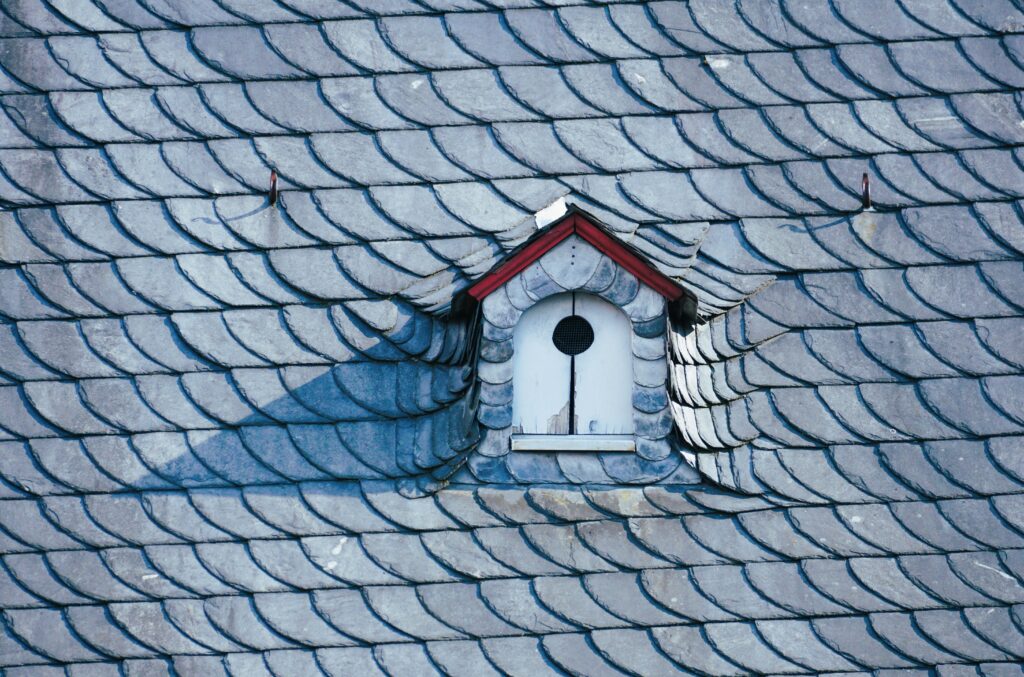
Slate roofing, while durable, can encounter several issues over time. One of the most common problems is cracking. Weather fluctuations and temperature changes may cause tiles to expand and contract, leading to fractures.
Another issue is loose or missing slates. High winds or heavy storms can dislodge tiles, exposing the underlying structure to moisture damage. This not only compromises your roof’s integrity but also increases repair costs if left unattended.
Moss and algae growth can be a concern as well. These organisms thrive in damp conditions and can trap moisture against the slate surface, promoting decay over extended periods.
Flashing problems are also prevalent with old installations. Deterioration around chimneys or vents allows water to seep through gaps, resulting in leaks within your home’s interior. Regular inspections help catch these concerns before they escalate into more significant troubles.
Repairing and Replacing Damaged Tiles
When dealing with damaged slate tiles, prompt action is essential. A cracked or missing tile can lead to further issues if not addressed quickly.
Begin by assessing the extent of the damage. Sometimes a simple crack can be repaired with high-quality roofing adhesive. For larger breaks, you may need to replace the tile entirely.
Removing a damaged tile requires careful attention. Gently pry it up using specialized tools to avoid disturbing surrounding tiles. Once removed, ensure that the underlayment is intact and free from debris before placing a new slate piece.
Selecting matching tiles is crucial for aesthetics and functionality. If your original slates are no longer available, consider sourcing reclaimed materials for an authentic look.
Once installed, ensure all edges are sealed properly to prevent water infiltration. Regular inspections will help catch any future problems early on, keeping your roof in top shape.
Hiring a Professional vs DIY Maintenance
When it comes to maintaining traditional slate roofing, you face an important choice: hiring a professional or tackling the job yourself. Each option has its advantages and drawbacks.
Employing a professional offers expertise and experience. They can quickly identify issues that might be overlooked by someone without training. Moreover, professionals are often equipped with special tools that make repairs more efficient. This can save time and potentially reduce costs in the long run if significant problems arise from DIY errors.
On the flip side, many homeowners enjoy taking on maintenance tasks themselves. It can be rewarding to learn about your roof’s structure and care for it personally. However, working with slate requires specific knowledge of materials and techniques to avoid damaging tiles further or compromising their integrity.
Before deciding on how to proceed, assess your comfort level with heights, tools, and repair work. Also consider whether you have access to reliable information or guidance for any necessary repairs or upkeep tasks.
Whether you go with a pro or embrace some DIY spirit depends on your situation. The key is ensuring that your traditional slate roof remains in top condition for years ahead regardless of who handles the maintenance.


