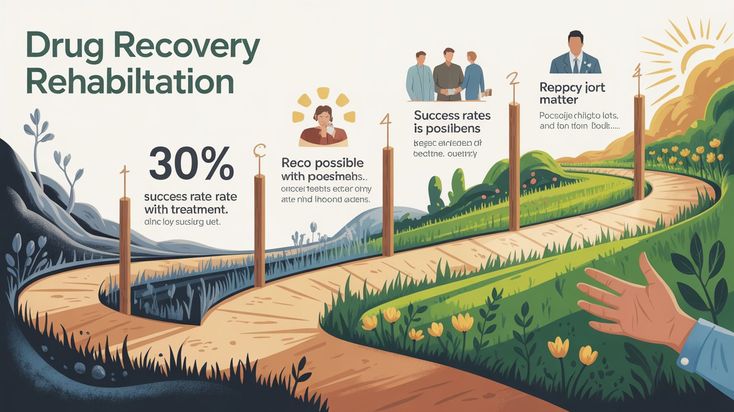



Drug addiction is a complex and painful struggle that touches countless lives. It can feel like an uphill battle, with challenges lurking around every corner. Yet, amidst the chaos of addiction, there lies hope for a chance for recovery and renewal. Knowing how to navigate this challenging journey is crucial.
Recovery isn’t just about quitting drugs; it’s about building a new life filled with purpose and connection. Many paths lead to healing, each unique to the individual walking it. This blog will explore those pathways while providing insights on creating a sustainable support system essential for long-term success in overcoming drug addiction.
Are you ready to take the first step toward recovery? Let’s dive into this transformative journey together!
The Reality of Drug Addiction
Seeking treatment for drug addiction is a crucial step toward reclaiming your life. Exploring drug rehab melbourne can provide an avenue for individuals seeking structured support during recovery. It’s not just about breaking free from substances; it’s about rediscovering who you are without them.
Addiction can distort reality, leading to feelings of isolation and despair. Treatment offers a supportive environment where individuals can confront these challenges head-on. The process fosters personal growth, resilience, and hope.
Many people believe they can quit anytime they want, unaware of the deep-rooted challenges tied to addiction. Withdrawal symptoms are just one hurdle among many on this complicated path.
The impact stretches beyond the individual families and bears the weight too. The ripple effects touch friends, communities, and society at large. Understanding these realities is crucial for fostering empathy and support for those battling addiction every day.
The Importance of Seeking Help
Seeking help is a vital step in the journey toward recovery. Many people struggle alone, convinced they can manage their addiction without support. This often leads to deeper issues and prolonged suffering.
Reaching out opens the door to understanding and healing. Professional guidance provides clarity on the complexities of addiction. Therapists, counselors, and support groups offer valuable insights that friends or family may not be able to provide.
Sharing your experiences with others who understand can be incredibly comforting. It creates a sense of community that fosters hope and encouragement.
Moreover, seeking help signals strength, not weakness. Acknowledging you need assistance demonstrates courage and a commitment to change. This mindset shift lays the foundation for sustainable recovery.
It’s essential to remember that no one has to face this battle alone. There are resources available waiting for those ready to take that courageous first step toward healing.
Understanding the Different Paths to Recovery
Recovery from drug addiction is not one-size-fits-all. Each person’s journey is unique, influenced by various factors like personal history, environment, and the type of substance involved.
Many people choose traditional rehab programs. These often provide medical support and structured therapy sessions. Others may find success in outpatient programs that allow for more flexibility while still offering guidance.
Alternative approaches are also gaining traction. Holistic methods emphasize healing the mind and body through practices like yoga or meditation. Some individuals prefer self-help groups such as Narcotics Anonymous, where communal support fosters accountability.
It’s important to explore what resonates with you personally. Whether through professional help or peer connections, understanding your options empowers you on this challenging road toward recovery.
Building a Support System for Long-Term Success
Building a robust support system is vital for anyone in recovery. It’s not just about finding people who understand your struggle; it’s about connecting with those who uplift you.
Start by reaching out to friends and family members willing to listen without judgment. Their love can be a powerful motivator on tough days.
Consider joining support groups or community programs. These spaces foster shared experiences and provide valuable insights into overcoming challenges together.
Don’t forget the role of professionals such as therapists or coaches. They offer guidance tailored to your journey, helping you navigate ups and downs effectively.
Engaging in activities that inspire positivity, hobbies, volunteering, or exercise can open new avenues for connection while reinforcing self-worth and resilience. Building this network requires time but lays the foundation for lasting success in recovery journeys ahead.
Overcoming Challenges and Relapses
Recovery from drug addiction is rarely a straight path. It’s often filled with challenges and setbacks that can feel overwhelming at times. Understanding this reality is crucial for anyone on the journey to sobriety.
Relapses are common, but they don’t mean failure. Instead, they can serve as valuable learning experiences. When faced with these hurdles, reflect on what led to the relapse. Identify triggers and develop strategies to manage them in the future.
Developing resilience is key. Each challenge presents an opportunity for growth and understanding oneself better. Staying connected with support systems helps maintain accountability during tough moments.
Remember that recovery isn’t about perfection; it’s about progress. Celebrate small victories along the way, as each step forward adds up over time.
Embracing vulnerability by sharing struggles fosters deeper connections within your support network, allowing you to seek help when needed most.
The road may be long and winding but building coping mechanisms will guide you through even the darkest days of recovery. Keep pushing forward the brighter days are worth it.


