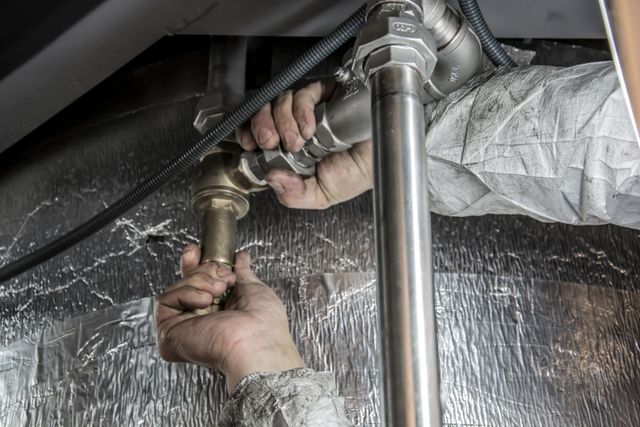



Sydney Water currently caters to 5.6 million customers and has mentioned in its Annual Report 2024-25 infrastructure development in growth areas, such as Western Sydney and Aerotropolis. New residences, storage units and offices are popping up in this region as well. People living in them would prefer filtered water to be available in the kitchen from day one. Successful installation of a water filtration system in Sydney requires a lot of planning beforehand.
Why Planning Beats Retrofitting?
Construction projects tend to be fast-paced, and the kitchen tap seems to be one of the last things people pay attention to. Cabinets are installed, benches are fitted and only after this process is completed does the person realise that he or she needs electrical wiring for the filtered tap.
A retrofit is always costlier compared to planning the water filtration installation Sydney project in advance. There are labour costs, dust and time lost when trying to cut into a finished stone surface of a bench or opening the wall.
The home renovation follows the same logic. Considering a filtered water system to be similar to a dishwasher system, which is installed in advance, makes everything easier.
Selecting a System for the Property
There are several types of water filtration systems that fit particular situations:
Another important factor is capacity. One person in the house requires less water per minute compared to seven people in an office working on the same floor. An undersized system will not provide enough water at the moment of peak usage, forcing people to queue at the tap.
Operating expenses should also be considered. Bottled water delivery will cost a lot and produce a lot of waste compared to filtration. Both solutions have to be compared at the site.
The Site Check That Many People Overlook
Before the equipment even shows up, there are some pretty basic questions that need answering, like whether the cabinet can fit all the kit, filter housing, chiller and boiler, in it. And is there a nearby power outlet that can handle the load?
You’d think air-cooled chillers would be okay to just close up in a sealed cabinet, but they actually need some airflow to work properly. Trapping all that heat in there will just shorten its life and increase your power bill. Getting some vented kickboards or breathable cabinet openings sorted early on is a no-brainer.
Benchtops and easy access afterwards are also worth thinking about. If you’ve got a stone benchtop, it’s really important to get the tap holes drilled in just the right spot, ideally by the stonemason before they even put the benchtop in. And filters should be easy to get to; you don’t want to have to empty half your kitchen to replace one.
Licensed Work and Doing It Properly in NSW, the Right Way
Hooking up equipment to the mains water is plumbing work, and if you’re in NSW, you’ve got to get a licensed plumber to do it. Trying to do it yourself risks leaks, water damage and even voiding the manufacturer’s warranty, so just don’t bother.
Backflow protection is another good reason to get a qualified trade to do the job. If it’s not fitted properly, water can flow backwards into the supply and cause all sorts of contamination problems. A licensed plumber will know where the backflow devices need to go and how to fit them.
Before you even think about booking anyone, you should be asking them a few pretty straightforward questions:
What the Filter Should Actually Be Removing, If Anything?
Lots of people choose a system without really thinking about what they’re trying to solve. Sydney’s water treatment is actually pretty good, so most people just want better taste, less chlorine smell or protection from older pipes in their building.
Every filter has its own claims about what it does, and these can vary wildly between models. Some will just get rid of sediment and chlorine taste, while others are certified to remove particular metals or microorganisms. Make sure you see the certification for each claim so you’re not paying for things you don’t need.

Energy, Standby Settings and Maintenance, Don’t Forget the Ongoing Costs
These systems use electricity all the time, so it’s worth thinking about energy settings. Many models now have sleep or eco modes that will lower the water temperature when they’re not being used as much, and the power consumption varies between models.
If you’re in an office, you can easily cut costs by just scheduling the thing to go idle overnight and on weekends. It’s not going to affect the staff too much. Some models even have the brains to learn how you use it and adjust automatically.
Maintenance is also something you should be thinking about from day one. Make sure you get the installation person to record the first service date, so you don’t forget to replace the filters for years on end. That one step keeps the water clean and helps the equipment last longer.
Before you even get to that, though, pull out the kitchen plan and decide exactly where the filtered tap will go. One simple line on a piece of paper sorts out all the power, plumbing, space and ventilation issues before they even become a problem.


