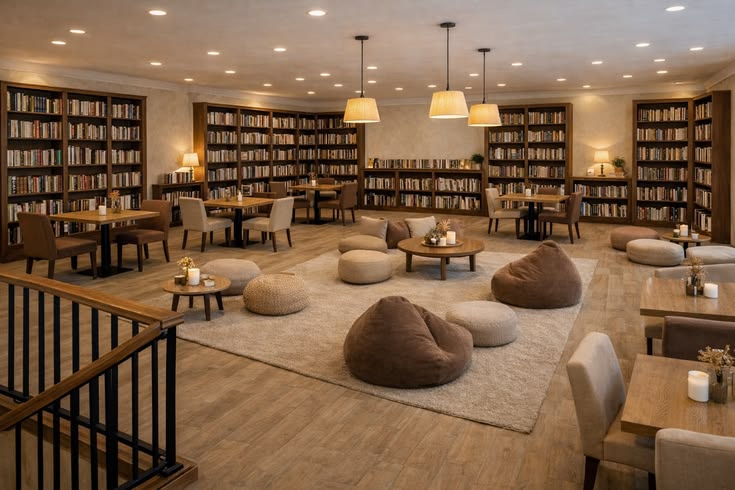



Libraries are no longer just quiet places filled with dusty books. They have evolved into vibrant community hubs that foster creativity, collaboration, and comfort. As we rethink the role of libraries in our lives, one crucial aspect stands out: the importance of thoughtful interior design.
Imagine stepping into a space that feels welcoming—a place where you can dive into your studies or collaborate on projects seamlessly. A well-designed library interior can transform how people interact with both resources and each other. It’s about creating an environment conducive to learning while encouraging social connections.
Crafting these spaces requires careful consideration and planning. Let’s explore what makes library interiors effective in today’s world and discover how they can be designed to best serve their communities.
Importance of Library Interiors
The library furniture plays a pivotal role in shaping the overall experience for visitors. A well-thought-out design can invite exploration, inspire creativity, and promote learning.
Comfortable seating areas encourage patrons to linger longer. Natural light enhances mood while reducing fatigue, making it easier to dive into research or reading. An inviting atmosphere fosters curiosity and engagement.
In addition to aesthetics, functionality matters greatly. Thoughtfully placed resources help users navigate easily through different sections—whether they’re searching for books or digital content.
Moreover, an appealing interior strengthens community ties by creating spaces that facilitate collaboration and social interaction. When people feel comfortable in their surroundings, they are more likely to connect with one another.
Investing in quality interiors is essential for libraries aiming to meet the diverse needs of today’s users while adapting to future trends.
Key Factors to Consider in Designing a Comfortable and Collaborative Space
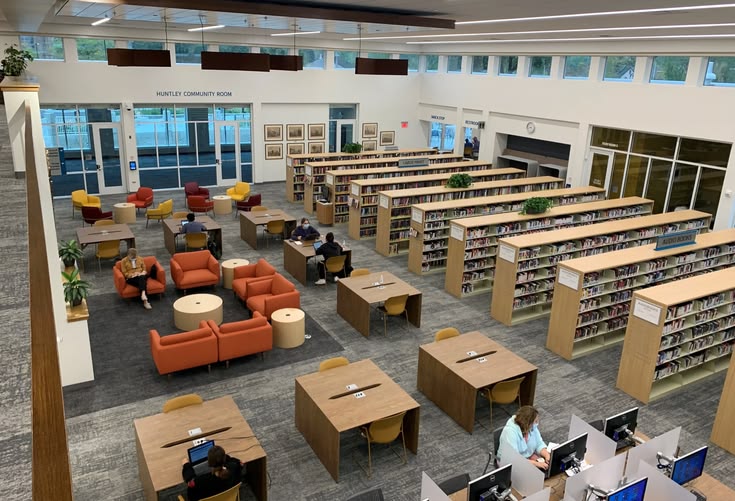
When designing a library, comfort and collaboration are essential. Start by considering natural lighting. Large windows can create an inviting atmosphere.
Next, think about acoustics. Soft materials absorb sound and reduce noise levels, allowing for focused study while also promoting group discussions.
Flexible seating arrangements foster interaction among users. Movable furniture lets patrons create their own arrangements based on their needs.
Temperature control is another key factor. A well-ventilated space with adjustable heating or cooling options keeps everyone comfortable throughout the year.
Color plays a significant role in mood enhancement. Warm tones promote relaxation, while vibrant hues can energize collaborative areas.
Each design element should contribute to creating not just a space but an experience that encourages learning and community engagement.
Furniture and Layout Ideas for a Collaborative Library
Creating a collaborative library space starts with thoughtful furniture choices. Opt for modular seating that can be rearranged easily. This flexibility encourages different group sizes and activities.
Long communal tables are ideal for both individual study and group projects. They foster interaction while providing ample workspace. Add comfortable chairs or stools to invite longer stays.
Incorporate cozy nooks with soft furnishings where patrons can relax or brainstorm in small groups. Bookshelves on wheels add versatility, allowing for quick reconfigurations as needs change.
Also, consider standing desks that promote movement and energy during brainstorming sessions. A variety of work surfaces—like high tops or low lounges—caters to diverse preferences, making the space welcoming to all users.
By mixing these elements thoughtfully, you create an inviting atmosphere that inspires collaboration and creativity among library visitors.
Incorporating Technology in Library Design
Technology plays a pivotal role in modern library design. It enhances user experience and promotes engagement among visitors.
Integrating digital tools can transform traditional spaces into dynamic learning environments. Smart kiosks provide information at a glance, while interactive displays bring content to life.
Flexible charging stations are essential for the tech-savvy patron. They create convenience without disrupting the overall aesthetic of the space.
Wi-Fi access is another must-have feature, enabling seamless connectivity throughout the library. This allows users to explore resources online or collaborate on projects with ease.
Consideration should also be given to multimedia rooms equipped with video conferencing capabilities. These spaces encourage collaboration and outreach beyond physical walls.
Incorporating technology is not just about gadgets; it’s about creating an atmosphere that fosters innovation and community interaction within libraries today.
Engaging the Community in the Design Process
Engaging the community in the design process is essential for creating a library that meets the needs of its users. When people feel involved, they develop a sense of ownership over their space. This connection fosters pride and encourages regular visits.
Start by hosting workshops or focus groups with local patrons. Gather their insights about what features are most important to them. Consider surveys as another effective tool to gauge preferences on layout, furniture, and resources.
Involve diverse groups within your community. Engage students, parents, seniors, and professionals alike; each will bring unique perspectives that can enhance the final design. Collaborating with local artists or designers may also lead to innovative ideas that reflect the character of your area.
Another approach is to create pilot spaces within existing facilities where changes can be tested before full implementation. This allows you to gather feedback directly from users in real time while fostering engagement through involvement in shaping solutions.
By prioritizing community input throughout this process, libraries can evolve into dynamic environments that support collaboration and comfort for everyone who walks through their doors.


