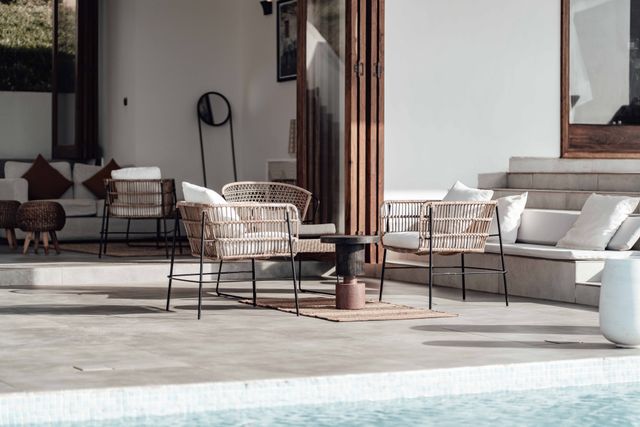



While a wicker setting designed to perfection when it was delivered can have a very different story after two summers outdoors. Sunlight, salty coastal air and sudden storms take their toll on outdoor furniture all over the country. Selecting outdoor wicker furniture in Australia implies that weather conditions should be considered before appearance.
The Weather Conditions of Each Setting
A major part of Australia has high UV exposure, making protection from the sun necessary for many months per year. At the same time, sunlight dries up poor-quality fibres and fades the colours of outdoor wicker furniture Australia. Salty air is added for those who live in coastal houses.
Humid north makes people constantly at risk of mould, and inland locations change hot summer days with cool nights. Summer storms add additional elements such as heavy rainfall and strong winds. The knowledge of location and expected weather conditions of each particular setting helps in choosing furniture faster than any catalogue does.
Tailoring the Furniture to Location
Location makes difference in shopping list bigger than most of the customers imagine. For example, a beachside balcony requires a rust-proof frame, watertight fasteners and materials resistant to sea spray. Tropical garden needs fast-dry materials and good ventilation in order to avoid moulding of the damp material.
For inland settings, the major problem is long periods of hot summer weather and bright sun exposure. In these settings, UV resistance and fading of the materials are the key things. A covered verandah in a mild city leaves the most choice of materials, including natural ones. Considering these factors before purchase saves money on the second one.
Natural Rattan vs Synthetic Wicker: What’s the Deal?
Natural rattan’s got a real charm to it; it’s like you can almost feel the organic vibe the minute you set eyes on it. It’s best placed in covered verandahs, though too much sun and rain can cut its lifespan pretty short. Meanwhile, synth wicker pretty much dominates the outdoor market, but truth is, product quality’s all over the map.
Now, rather than just throwing a name at it, check the fine print and see if your product’s been treated for UV and has a decent warranty behind it. A good weave should feel smooth, flexible and even in colour all the way across.
Don’t Forget the Frame That’s Hiding Underneath
A beautiful weave’s one thing, but if the frame it’s sitting on rusts or bends, all that beauty is for nothing. Powder-coated aluminium works a treat near the coast, and for good reason. Steel’s super strong, but if its coating gets chipped, watch out for rust.
Now when it comes to welds and joints, take a close look; if they’re rough or patchy, that’s usually a sign that something’s not quite right. Weight matters too, especially on open decks and balconies where the wind can blow your lighter chairs right off. Generally, if a frame feels solid and solidly finished all round, that’s a good sign.
Cushions and Fabrics, the Things People Often Overlook
You’d think the wicker itself would be the first thing to go, but nope, cushions usually come a cropper first. Which is why solution-dyed outdoor fabrics are coloured right through the fibre and hold their colour way better than anything with a print on. And quick-dry foam lets water just drain right on out, rather than soaking in and causing problems.
Removable covers make washing a cinch, which means your cushions will last longer, no question. And in humid areas, just making sure your cushions get some air and are stored dry, is a simple way to keep mould at bay. Spend a bit more on fabrics now and you’ll save on replacements in the long run.
Keeping Your Wicker Healthy All Year Round
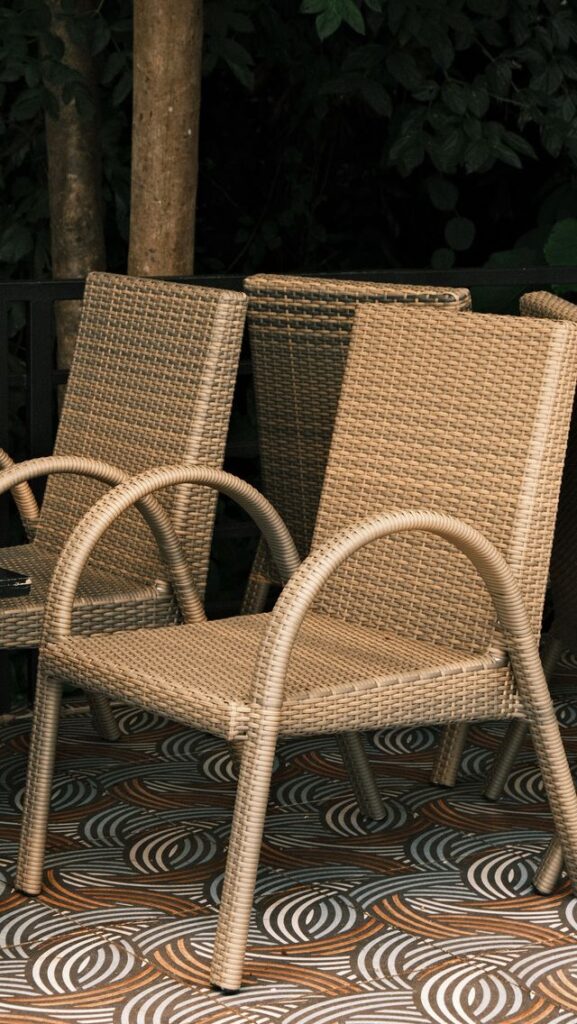
A few little habits every season will really help keep your wicker furniture looking its best for a lot longer. Soft brush with some mild soap and water to get rid of dust; don’t go anywhere near harsh chemicals or high-pressure hoses, or you’ll be fixing and refixing strands for the rest of your life. Cover your furniture in wet months, or store your cushions dry; that cuts down on mould and fading a treat. And if you notice a stray strand or two, knock it off early before it turns into a bigger job. Do a quick check every year of your frames, joints and fabrics; that way your furniture stays safe, comfy and ready for the next summer.


