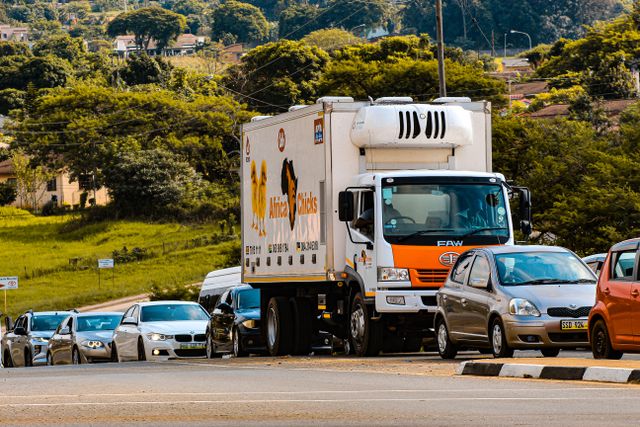



If you’re involved in transporting food, pharmaceuticals, flowers or other temperature-sensitive goods, you know the importance of a cold chain. Whether the goods are loaded in the van or the doors are opened many times on the journey to their destination, van refrigeration maintains the correct temperature. If you choose a system that is suited to the vehicle, load and daily driving, you will have a reliable system versus a never-ending pain in the neck.
Types of Van Refrigeration Systems and Where They Fit
Van refrigeration systems typically come with the size of the van and the temperature the cargo needs to be stored at. Delivering small vans that make many stops around the city require units to recover after each door opening, and heavy-load vans that travel long distances require more capacity to maintain temperature. There are systems to handle chilled loads (+4°C) all the way up to deep frozen (-25°C) and these can accommodate most foods from fresh produce through to dairy, ice cream, and frozen meals. Some even have a standby option, where every product remains chilled during the vehicle’s overnight parking or loading. The use of separate compressors for on road and stand by operation is a practical design decision as each can be adapted to a different task and not be restricted to performing both tasks.
Features That Make a Difference Day to Day
The design of a system can greatly influence its lifespan and maintenance expenses. Fully copper plumbing is used for its longevity and strong fibreglass casings are selected for their knock resistance and corrosion protection. It’s easy to maintain and replace parts in a simple design that features twin drive belts and electric fans, making parts and labor costs low for operators who rely on their vehicles daily. Excellent volumetric efficiency is provided by a high performance seven piston swashplate compressor, thus enabling a fast pull down to lower temperatures and a rapid recovery after the doors are opened. Automatic hot gas defrost helps prevent ice accumulation, allowing free air flow. In-cab display to check temperature and defrost status allows the driver to check conditions without getting out of the cab.
Advantages of Using the Proper System.
An optimally designed system helps to preserve the value of the stock, minimize losses, and ensure the food safety level customers and authorities demand. Products reach customers in the same condition as they were when they were made when temperatures remain stable – maintaining the margins and reputation. Any early indication of problems is visible on the in-cab readout and a low maintenance design means fewer days out of the road. Reliable van refrigeration also provides flexibility since a reliable vehicle capable of carrying chilled and frozen goods opens up possibilities of access to customers and contracts that may otherwise be unavailable. The best way to achieve a system that will last many years is to match the unit to the size of the van, the temperature needed and the pattern of daily delivery.


