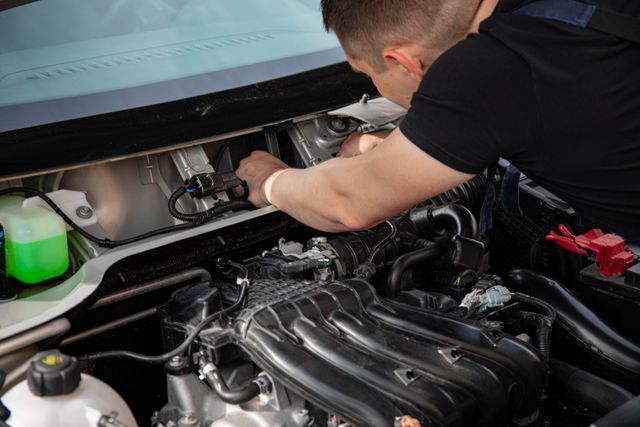



Most drivers don’t think about the rubber seals on their vehicle until something goes wrong. A whistle from the window at highway speed, a water leak after heavy rain, or a noticeable increase in road noise are common signs that a seal has begun to fail. Automotive rubber seals play a crucial role in how a vehicle performs, seals against the elements and maintains interior comfort, making them one of the more important components to keep in good condition over a car’s lifetime.
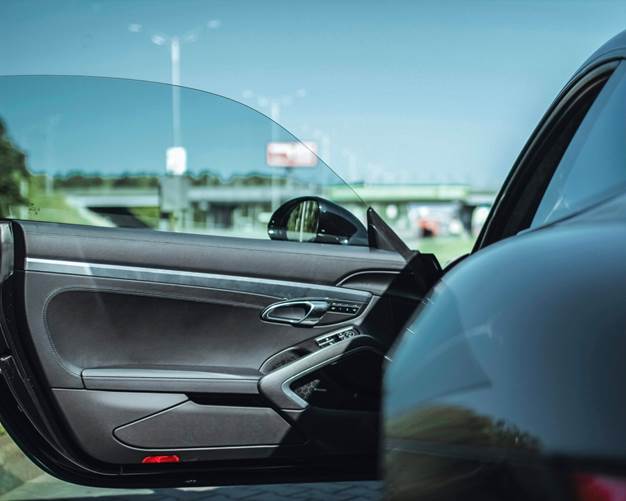
Types of Automotive Rubber Seals and Where They Are Used
Automotive rubber seals appear throughout a vehicle in a wide variety of forms, each designed to perform a specific sealing function in a particular location. Door seals run along the perimeter of each door aperture and compress against the door when it is closed, preventing water, wind noise and dust from entering the cabin. Boot and bonnet seals perform the same function at the rear and front of the vehicle, protecting both the interior and the engine bay from moisture and debris. Window seals sit in the channel around each piece of glass and prevent water from tracking down into the door cavity or into the cabin. Windscreen seals bond the glass to the vehicle body and prevent water ingress that could compromise the structural integrity of the glass installation. Additional seals are found throughout the engine bay and around door handles, where they prevent water, oil or other fluids from reaching surfaces they could damage.
How Rubber Seals Degrade Over Time
Rubber is a durable material, but it is not immune to the effects of age, UV exposure and temperature cycling. Over time, door seals and window seals develop a loss of elasticity that reduces their ability to compress and spring back effectively when a door is closed, allowing gaps to form that admit wind noise, water and dust. Cracking and hardening of the rubber surface are common signs of advanced degradation, particularly on seals that face direct sunlight on a daily basis. Repeated freezing and thawing accelerates the breakdown of rubber compounds in colder climates, leading to premature failure in seals that might otherwise last considerably longer. Identifying failing seals early and replacing them before the damage worsens keeps the repair straightforward and prevents more significant water or structural damage from developing.
Benefits of Replacing Worn Automotive Rubber Seals
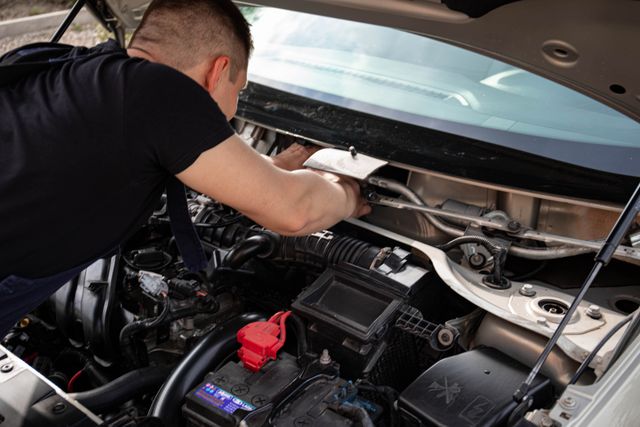
Replacing worn automotive rubber seals restores the cabin comfort and weather protection that the vehicle provided when new, often with a noticeable improvement in noise reduction at highway speeds. Fresh door and window seals eliminate the wind noise and water ingress that can make an older vehicle feel significantly more tired than its mechanical condition warrants. For vehicles regularly driven in wet conditions or parked outdoors, effective seals also protect interior surfaces, carpets and electrical components from moisture damage that can be difficult and expensive to address once it has taken hold. Genuine replacement seals matched to the specific vehicle make and model ensure a correct fit that delivers the sealing performance the manufacturer intended, rather than a generic alternative that may not compress and recover in the same way.


