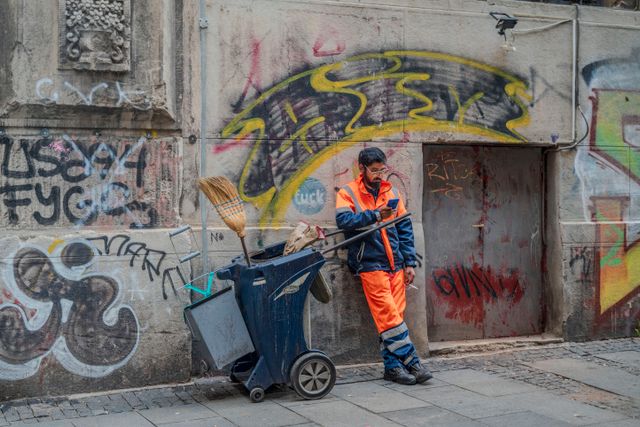



Melbourne’s streets are coming alive with construction projects and high traffic areas, making it one of Australia’s busiest places for getting your streets swept. With a mix of dense tree-lined suburbs and bustling CBD, it’s clear why companies offering street sweeping services Melbourne have such a big market to tap into. These companies cater to a wide range of clients, including local councils running scheduled clean-ups, developers and builders looking to tick the boxes for EPA and road authority compliance, facility managers keeping shopping centres and industrial parks tidy, and event organisers needing streets looking spick and span for big gatherings. But here’s the thing: most of these clients aren’t really sure what they’re getting when they sign up for sweeping services, which is why things often go wrong and the costs spiral out of control.
The Real Scoop on Street Sweeping Services in Melbourne
Road and street sweeping is a big job in Melbourne, it’s not just about cleaning the main roads, but also residential streets, laneways, shopping strips, and commercial precincts. And then there are the construction sites, if they’re not being tidied up properly, it’s not just a matter of not looking good, it’s because contractors have a legal obligation to keep things clean under the Victorian planning and EPA rules.
But it’s not all about the standard routes, commercial precinct sweeping and construction site sweeping are two separate balls of wax, as is event sweeping, whether that’s before or after a festival, market, or sporting event. And let’s not forget the extras that often come with sweeping services, footpath cleaning, side entry pit and stormwater drain cleaning, and high-pressure scrubbing for when things get really messy.
Programmed vs. Reactive Services, What’s the Difference?
So, you’ve got your programmed sweeping, where the routes and frequencies are all set out on a schedule and contracted with the councils or commercial operators, this is the more traditional approach. Then there’s reactive sweeping, which is more like a fire brigade, you only call them out when things go wrong, whether it’s a spill, some storm debris, a post-construction clear-up, or an accident.
One of the things that really sets a good operator apart is their ability to handle both programmed and reactive sweeping, it means they know the site inside out, so they can deal with whatever comes up a lot faster, and the risks of miscommunication are a lot lower.
Beyond Road Sweeping, Industrial and Specialist Services
But Melbourne’s sweeping services aren’t just about cleaning up after cars, some of the companies that operate here also cover industrial and specialist sweeping. This is where you get into some pretty heavy-duty stuff like wet and dry waste, and they need the right equipment and EPA compliance protocols to deal with it all. And then there’s the niche stuff like tyre mark removal, line marking removal, and graffiti removal, these are the sorts of things that really require a specialist to do right.
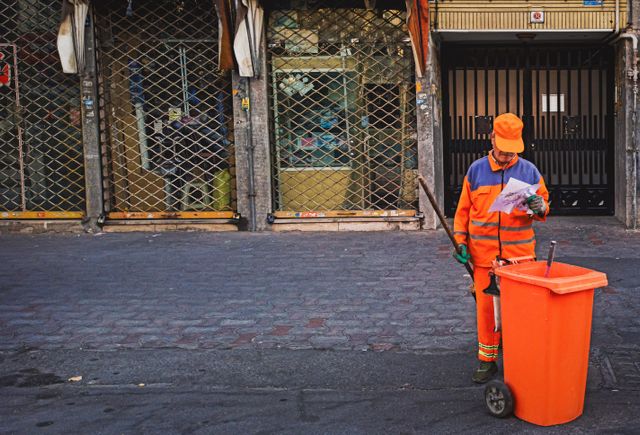
Street Sweeping Services Proposal Elements
The nature of the site and restrictions relating to the use of trucks come first. Restrictions relating to truck size, hours of operation near residential areas, and traffic control will influence what type of equipment can be used.
Debris load and debris type will dictate what type of equipment is needed. Each type of construction debris, organic leaf debris, liquid residue, or litter calls for different equipment to be used and dictates different waste disposal issues. Stating clearly what type of debris will have to be cleaned will prevent the wrong machine from being sent.
Frequency, time span, and reporting requirements must be stated clearly. The service GPS reporting and the completion report are standard elements of good proposals, and a failure to include these in a proposal is a good indication of who should get the contract. The waste disposal issue of who will pay for removing the waste should be clear.


