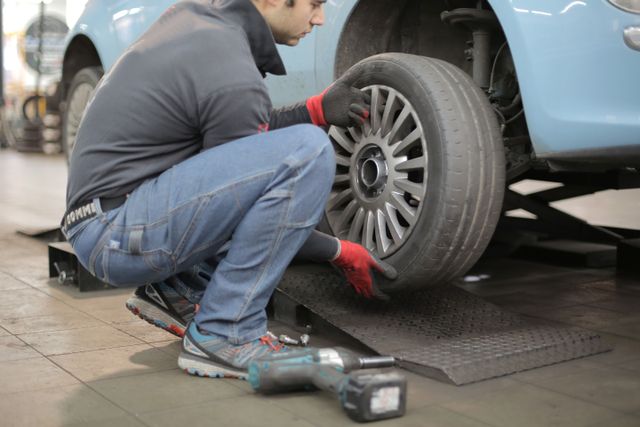



It is easier to make practical decisions when you know the backdrop. In Lilydale workshops, where new tyres require more than being put on wheels, there may be boundaries, habits, hazards and expectations that are not obvious from the outside. For drivers seeking smooth, safe results after buying tyres, the correct response should clarify those aspects before action begins.
A practical approach to Tyre Fitting Lilydale starts with bad fitting causing vibration, uneven wear or a less confident drive. It next looks at balancing, valve condition, wheel condition, torque, pressure setting, rotation direction and the final road feel, as these factors frequently decide whether the final decision feels durable, convenient and worth the effort.
When Seeing Isn’t Enough
Let the setting do the talking. Before any final decision is made. Wear patterns, layout restrictions, user habits and tiny flaws can all give important direction. This phase need not be complicated but it should be honest enough to show what sort of solution is likely to stick.
The Useful Details Are Usually Quiet
The method should make sense to the individual who depends on it. Fitting can be seen as the point where tire quality meets real-world performance, and that can clear up some misunderstanding since there is a rationale behind every decision. When people understand the reasons behind a choice, they feel less pressure and more confidence to compare possibilities.
Designing for Movement and Maintenance
A well-matched result does not interfere with the routine. It fades into the day, helps the task and removes a source of frustration. That’s typically what makes the difference between a service that was just done and a service that people are happy they chose.

A Better Ending Than An Easy Fix
The best result is the one that still makes sense. It will eliminate uncertainty, help the environment function better and give people fewer reasons to worry. In this situation the end result is a car that leaves the workshop feeling composed. That is a practical form of value, because it goes beyond the original decision.
The practical reader wishes to know what is to happen next. Strong counsel tells you where to go, without the pressure. It makes uncertainty a clearer chain of checks, choices and results.
One last thing to consider is how balancing can affect confidence before anyone sees the whole pattern. After buying tires, drivers want smooth, safe outcomes and a decision that takes poor fitting resulting to vibration, uneven wear or a less confident driving into account is less likely to become a repeat investment or a source of frustration. The handling of the fitting as the moment where tyre quality becomes real-world performance is more than a technical step, it is a practical safeguard for the way the space, product or routine will be utilised subsequently.
Strong achievements are usually not founded around a single flashy claim but rather a series of modest decisions. When we look at balance, the state of the valves, the wheels, the torque, the pressure setting, the direction of rotation and the final road experience, each of these choices has a reason for being. Then the process is simpler to trust because the final advice is related to observable circumstances, not just a generic promise that could go on any site.
One final caution to keep in mind is that people remember the experience as much as the outcome. Even a decent ending can leave you feeling dissatisfied if the service is confused, hurried or poorly communicated. The overall decision feels more beneficial when the work helps drivers looking for smooth, safe results after buying tyres with clear processes and a conclusion like a car that leaves the workshop feeling composed.


