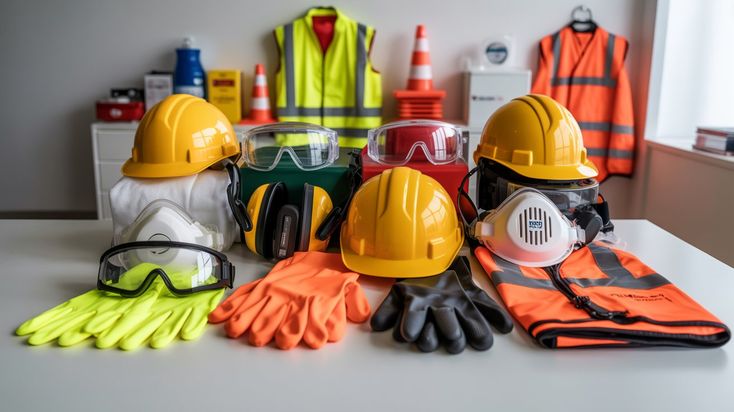



Workplace safety is a crucial aspect of any industry. Whether it’s construction, healthcare, or manufacturing, ensuring the well-being of employees should always be a top priority. One vital component in this equation is protective wear. Quality protective gear can mean the difference between minor injuries and life-threatening situations.
Think about it: when workers are equipped with reliable gear tailored to their specific hazards, they feel more confident in tackling their tasks. This confidence translates into increased productivity and morale on the job site. But it’s not just about comfort; wearing high-quality protective clothing plays an essential role in safeguarding individuals from potential dangers lurking around every corner.
As we explore the world of workplace safety today, let’s dive into how quality protective wear enhances security for everyone involved while also shedding light on what options are available for various industries.
Types of protective wear available for different industries
personal protective equipment varies significantly across different industries, each designed to meet unique safety challenges. In construction, hard hats and steel-toed boots are essential for safeguarding against falling objects and heavy machinery.
The healthcare sector relies on gloves, masks, and gowns to prevent contamination and protect both workers and patients from infectious diseases.
Manufacturing environments often require specialized gear like face shields or high-visibility vests to ensure workers remain safe in bustling facilities.
In laboratories, lab coats along with goggles provide a barrier against chemical spills while ensuring visibility of hazards.
For those in the food industry, slip-resistant shoes and hairnets help maintain hygiene standards while preventing accidents. Each type of protective wear is tailored specifically to mitigate the risks associated with that particular field.
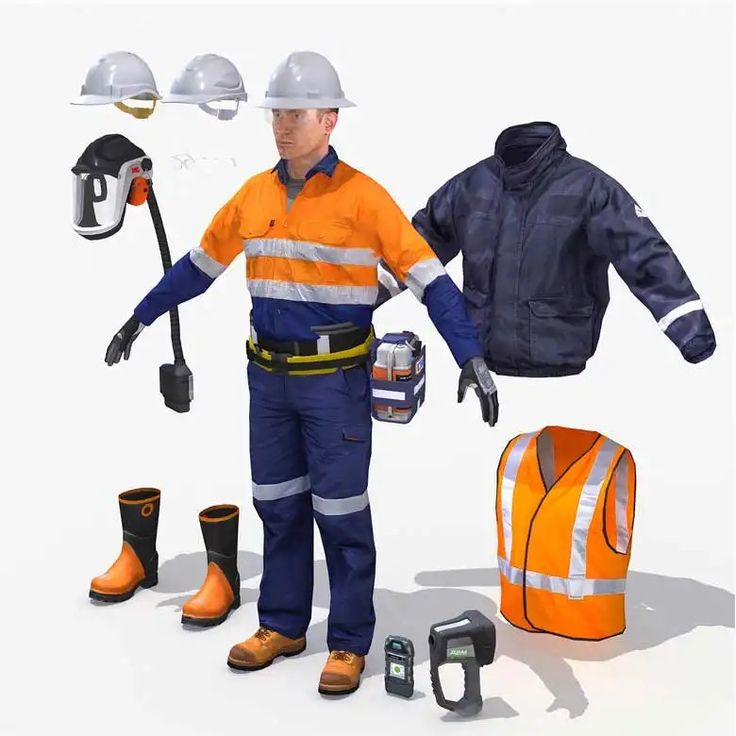
The role of quality materials in ensuring maximum protection
Quality materials are the backbone of effective protective wear. When it comes to safety gear, durability is essential. High-quality fabrics and components can withstand harsh environments, providing a reliable barrier against hazards.
For instance, flame-resistant clothing made from specialized fibers not only shields workers from heat but also ensures breathability. This combination keeps employees safe while allowing them to perform their tasks without discomfort.
Moreover, reinforced stitching and robust fasteners enhance the overall integrity of the apparel. These details may seem minor but play a crucial role in maintaining protection throughout daily use.
Using superior materials also means that protective equipment can endure washes and rough handling without losing effectiveness. Workers can trust that their gear will stand up to repeated challenges on the job site.
Investing in quality isn’t just about compliance; it’s about prioritizing worker health and performance through every layer of protection offered by well-crafted wear.
How to choose the right protective wear for your industry
Choosing the right protective wear starts with understanding your industry’s specific hazards. Different fields present unique risks, from chemical exposure in laboratories to heavy machinery operation on construction sites.
Next, assess the level of protection needed. For instance, high-visibility clothing is crucial for road workers, while flame-resistant gear is essential for those in welding or oil industries.
Consider comfort and fit as well. Protective clothing should allow for ease of movement without compromising safety standards. Ill-fitting gear can be just as dangerous as inadequate protection.
Don’t forget about compliance with regulations. Always check if the protective gear meets industry standards set by organizations like OSHA or ANSI.
Think about maintenance requirements. Some materials may require special cleaning processes that could impact your decision based on workplace logistics and budget constraints.
The cost-effectiveness of investing in quality protective wear
Investing in quality protective wear is more than just a safety measure; it’s a smart business decision. While high-quality gear may come with a larger upfront cost, the long-term benefits far outweigh this initial investment.
First, consider the reduced risk of workplace injuries. Quality protective wear offers superior protection, which can significantly decrease accident rates and associated costs like medical expenses and lost work hours. Fewer injuries mean lower insurance premiums over time.
Additionally, quality materials tend to last longer than their cheaper counterparts. This durability means less frequent replacements and repairs, resulting in savings in both money and resources.
Moreover, equipping employees with reliable gear boosts morale and productivity. Workers who feel safe are more focused on their tasks rather than worrying about potential hazards.
Investing in top-notch protective wear enhances not only safety but also overall operational efficiency—making it an essential consideration for any forward-thinking organization aiming to prioritize employee well-being while keeping costs manageable in the long run.


