


Have you ever stopped to consider the humble door hinge? It’s one of those everyday components that quietly goes about its business, holding your doors in place and allowing them to swing open and shut with ease. Yet, it often gets overlooked until something goes wrong. Suddenly, a simple task like opening a door turns into an unexpected battle against creaks, groans, or worse—complete failure. Understanding door hinges is essential for every homeowner. These small but mighty devices play a crucial role in our daily lives, impacting everything from security to aesthetics. Let’s dive deeper into the world of door hinges and uncover why they deserve more attention than we usually give them.
Importance of door hinges in everyday life
Door hinges play a crucial role in our daily routines. They are the unsung heroes that allow us to open and close doors with ease. Without them, navigating through spaces would be cumbersome. A flat hinge offers a simple yet reliable solution, providing strength and smooth movement for a wide range of door applications.
Imagine struggling with every door you encounter. The frustration would quickly set in, affecting your flow throughout the day. Hinges provide convenience and ensure privacy when needed.
They also contribute to safety by securing doors in place. A well-functioning hinge helps maintain structure and prevents accidents caused by sagging or misaligned doors.
Moreover, they can enhance the aesthetic appeal of your home. With various designs available, hinges can complement your interior style while serving their functional purpose beautifully.
From front entry points to bathroom stalls, hinges are essential components of everyday life—quietly supporting our movements without demanding attention until something goes wrong.
Types of door hinges and their functions
Door hinges come in various types, each designed for specific functions and applications.
The flat hinge is one of the most common styles. Its simple design allows doors to swing freely while providing a sturdy connection between the door and its frame.
Piano hinges are long and continuous, perfect for larger or heavier doors. They distribute weight evenly, ensuring durability over time.
For added versatility, adjustable hinges allow you to align doors effortlessly after installation. This feature is particularly useful when dealing with warped frames.
Then there are concealed hinges that hide away from view. These provide a sleek look without sacrificing functionality and work well in modern designs.
Spring-loaded hinges offer self-closing features ideal for commercial spaces where ease of access is essential. Each type serves a unique purpose but shares one goal: smooth operation for everyday life.
Signs of a failing door hinge
A failing door hinge can be subtle at first, but certain signs indicate trouble. Listen closely when you open or close a door. If you hear squeaking or grinding noises, it’s a strong hint that your hinges need attention.
Another red flag is misalignment. Does the door stick or scrape against the frame? This could mean the hinge isn’t functioning properly anymore.
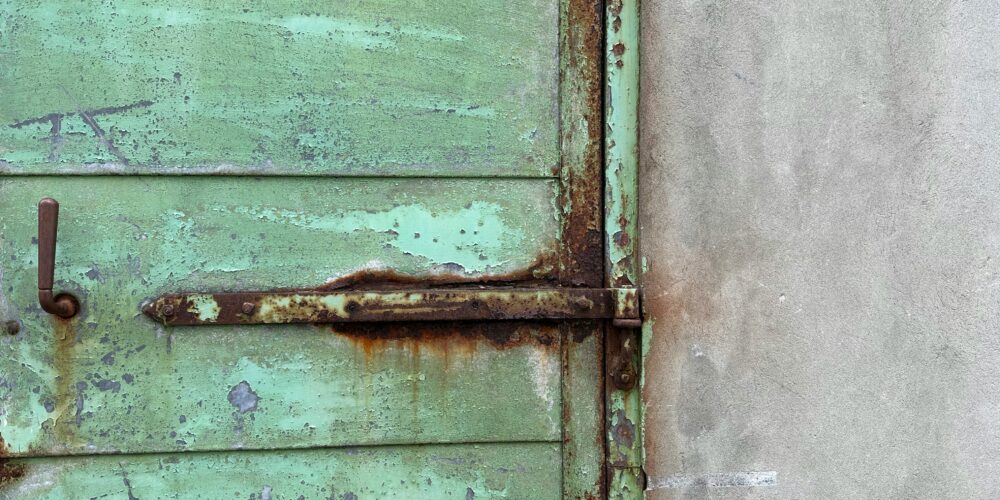
Look for visible rust or corrosion on metal hinges. These signs of wear can lead to further deterioration if not addressed promptly.
Check how smoothly the door swings. A tightened hinge may require force to operate correctly, which is never a good sign. Noticing these details early can save you from more significant repair issues later on; keeping an eye out will help maintain your home’s functionality and safety.
How to properly maintain and care for door hinges
Maintaining door hinges is crucial for smooth operation. Start by inspecting them regularly. Look for rust, dirt, or any signs of wear.
Cleaning is an easy first step. Use a damp cloth to wipe away dust and grime. For tougher spots, a mild cleaner can help.
Lubrication is key in ensuring longevity. Apply a few drops of oil to the hinge pins every six months. This will keep them operating quietly and smoothly.
Listen for squeaks as well; they’re often the first sign that your hinges need attention. If you hear one, don’t ignore it—address it promptly with some lubricant.
Check screws periodically to make sure they are tight but not overly so. Loose screws can cause misalignment and stress on the hinges over time. Regular care makes all the difference in performance and durability!
Upgrading to better quality door hinges
When it comes to door hinges, investing in quality can make a significant difference. Many homeowners often overlook the importance of choosing the right type of hinge until they encounter problems. Upgrading to better-quality door hinges not only enhances functionality but also improves aesthetics.
Flat hinges, for example, are an excellent choice for modern homes. They offer a sleek design while providing sturdy support for doors. These hinges distribute weight evenly and minimize wear over time. Selecting high-quality materials ensures durability and longevity.
Better hinges can also provide smoother operation, reducing noise when opening or closing doors. This simple upgrade can transform your daily experience at home, making every entry feel effortless and seamless.
Consider your specific needs when upgrading your door hardware. Whether you’re replacing old ones or installing new doors altogether, prioritize quality over cost savings. The long-term benefits will far outweigh any initial investment.
By taking these steps toward better-quality door hinges, you enhance both the function and style of your space—something that’s always worth noticing even if it initially goes unnoticed.


